
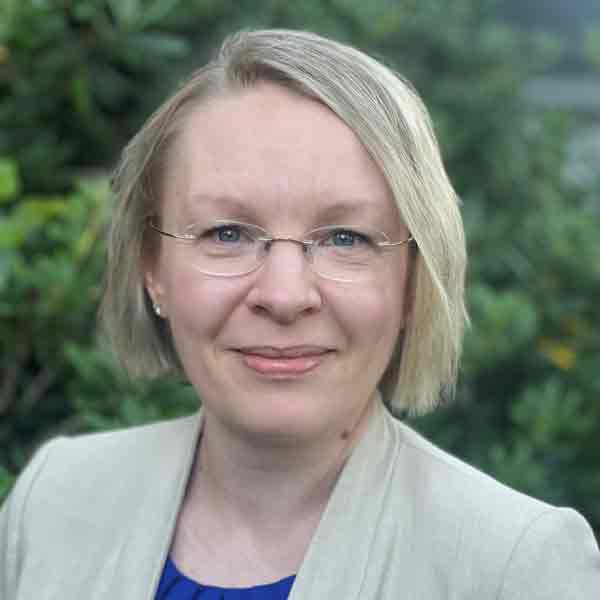
A researcher in Florida State University’s College of Criminology and Criminal Justice has been named editor of a top journal in the field.
Professor Sonja Siennick was named editor of the American Society of Criminology’s journal, ‘Criminology.’ Siennick called the appointment an honor and an opportunity.
“Criminology is a flagship journal in our field and a go-to source for cutting edge professional contributions,” Siennick said. “This is an opportunity to contribute to the field by shaping the way our works are produced and disseminated.”
CCCJ’s focus on translational research will be part of that work, Siennick said.
“Translational research has had a growing presence in our field and we’ll certainly continue to promote it,” she said.
Siennick also serves as co-director of the Juvenile Justice Research and Policy Institute in the college's Center for Criminology and Public Policy Research. Her research, which is rooted in the life course tradition, identifies key challenges and solutions related to incarceration, juvenile justice, and the reintegration of individuals into the community following justice system involvement.
CCCJ Dean Thomas Blomberg commended Siennick for the appointment.
“Sonja is a leading researcher and a credit to our field,” he said. “Her appointment to this coveted post is a testament to the impact she has made and a sign that she is poised for continued success. We couldn’t be prouder.”
Siennick’s appointment means faculty from CCCJ currently serve leading editorial roles for five of the top journals in criminology.
Professor Dan Mears is the editor of Justice Quarterly, published by the Academy of Criminal Justice Sciences. Professor Kevin Beaver is the editor of Journal of Drug Issues. Associate Professor Steven Zane is an associate editor of the American Society of Criminology journal, Criminology & Public Policy, while Professor Carter Hay is on the editorial boards of Criminal Justice & Behavior, Youth Violence & Juvenile Justice, and the associate editor of the Journal of Research in Crime and Delinquency.’
Zane noted that translational research is embedded into the mission of ‘Criminology & Public Policy.’
"It is fitting that the journal's mission, like the College of Criminology, is translational criminology,” he said. “My role affords me another outlet, beyond my own research and teaching, to promote this important mission."
Mears echoed Zane’s sentiment calling his editorship “a tremendous opportunity to help shape the direction of the field and contribute to significant advances in science and policy.”
Hay commended Siennick’s work and noted that her appointment is a point of pride for him — and the entire college.
“We are super proud of Sonja, the work she has done and the role she is about to play,” he said, before adding the benefits of Siennick’s appointment will permeate. “These appointments are one measure of our college’s visibility and our impact on the field. It points to the centrality of our faculty in the discipline and that’s where we want to be.”
Siennick said her appointment comes during a period of transition for journals and the research they validate and promote.
“We are in a unique time for dissemination practices, with heightened importance of social media and multimedia components in outreach and the importance of enticing junior scholars to engage with the journal,” she said.
Standing out amid a crowded information landscape to spotlight novel research is a top priority, she added.
“The visibility of the important works being done in the field is a key priority of any editorial team,” she said. “We have plans to broaden the journal’s outreach efforts and better publicize the works our authors are publishing in its pages.”